


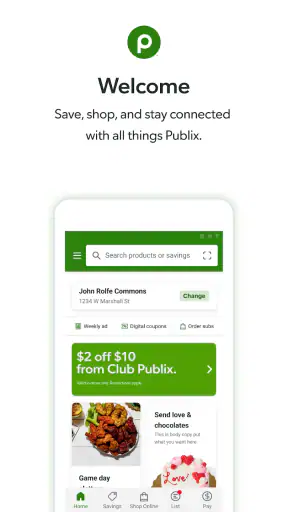
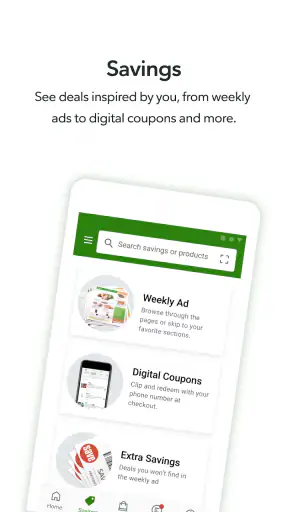
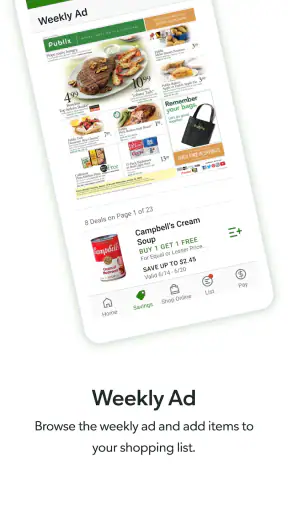
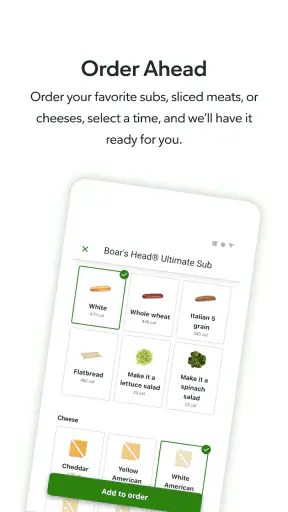
I approach grocery apps with a fairly simple test: can they save me time at the exact moment I need them, or do they create another chore? Publix is a lifestyle app from Publix Super Markets Inc. that puts the store’s shopping information on a phone, with an experience built around finding relevant deals while you are near or thinking about a Publix location. After using it, I see it as most useful for regular Publix shoppers who want to prepare before entering the store, rather than as a complete replacement for every grocery-planning tool.
The main strength is context. Instead of treating grocery shopping as a separate research project, the app connects the store you use with the offers and information you are likely to care about. That sounds modest, but it matters when you are standing in a parking lot, making a quick list, or deciding whether a trip is worth making. I found the experience more practical when I used it as a short pre-shopping check than when I expected it to organize my entire household.
How Publix fits into a connected shopping routine
Deals are most useful before the trip
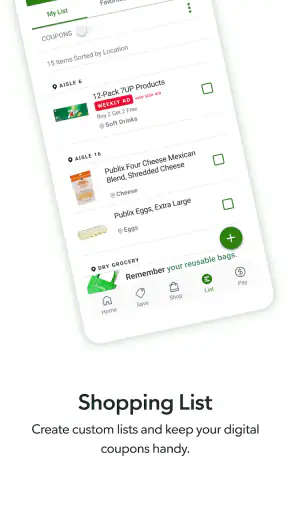
The app’s central idea is straightforward: show Publix deals in relation to where you are shopping. That makes the timing of use important. I would open it before leaving home, review the offers that might affect my list, and then decide whether anything needed to be added or removed. This is more efficient than wandering through a store and only afterward realizing that a product I already planned to buy had a relevant promotion.
There is also a useful distinction between browsing and acting. Browsing deals can be casual, but using them to shape a shopping trip requires a little discipline. I recommend checking the app after writing a basic list, not before. Starting with the list keeps the offers from turning into an excuse to buy unrelated items. The app works best as a filter for an existing plan, not as the plan itself.
Because the experience is tied to your shopping context, connectivity becomes part of the routine. Location-related information and current deal content are the kinds of details I would want to load while I have a reliable connection. At home, that usually means checking before heading out. On mobile data, I would avoid repeatedly refreshing pages just to see whether anything has changed.
What happens when the connection is doing the work
A connected retail app can feel effortless when the network is strong. You open it, find the relevant store context, and look through the available information. The friction appears when you are already in motion: underground parking, a weak signal inside a large building, or a crowded area where pages take longer to respond. In those situations, the app is less dependable as a last-second reference than as a preparation tool.
My practical advice is to do the important browsing before entering the store. If a deal affects your decision to buy something, look at it while you are still on a stable connection. I would also keep a simple written or phone-based list rather than relying on the app to remain immediately available for every item. That is not a criticism of Publix alone; it is a sensible way to use any service whose useful information is delivered dynamically.
The app’s store-focused approach is also different from a general grocery comparison service. A broad shopping app may be better for comparing several supermarkets, while Publix is naturally more focused when Publix is already your destination. I would choose this app for store-specific preparation and a general comparison tool when price-checking across different retailers is the main goal.
Using it in real mobile situations
One realistic scenario is a late afternoon trip. I might be leaving work, realize that dinner ingredients are missing, and want to make a quick Publix stop without spending time browsing every aisle. I would check the app before driving, use the deal information to adjust my list, and keep the phone away once I enter the store unless I need to verify something. That workflow is faster and less distracting than trying to make every decision while walking around.
Another situation is a planned weekend shop. Here, I have more time to review deals and think about substitutions. The app can help me notice opportunities before I leave, but I still prefer to decide quantities and meal ideas separately. A deal can be useful without being a bargain if it leads to waste, and no shopping app can make that judgment for you.
For someone who shops at several different chains, the focused design may feel limiting. The app does not replace a universal list manager, a recipe organizer, or a price-comparison service. Its value comes from staying close to the Publix experience. That focus is a benefit for loyal customers and a reason to skip it if Publix is only an occasional option.
Recovery when the app or network hesitates
When a retail app does not load smoothly, the best response is to simplify the task rather than repeatedly tapping refresh. I would first confirm that the phone has a usable connection, then reopen the relevant part of the app instead of trying to browse everything again. If I had already checked the deals at home, I would continue with my written list and avoid letting a temporary loading problem derail the trip.
This is where preparation makes a noticeable difference. Before leaving, I would note the few offers that actually matter to me rather than assuming I will remember a long page of products. A short note also helps when the phone is in a low-signal area. The app remains useful in the background of the trip, but my shopping plan should not depend on a perfect connection at the checkout line.
I also would not treat a displayed deal as a reason to argue with store staff if the screen is slow or unclear. The sensible workflow is to review the information early, understand what I intend to buy, and use the app as a guide. That reduces pressure at the busiest part of the visit, when there is little time to troubleshoot.
Keeping mobile use sensible
For data-conscious users, the main habit is simple: browse deliberately. Deal pages can invite scrolling, and repeatedly opening them while moving through the store is unnecessary if the key information has already been reviewed. I would use Wi-Fi at home when convenient, then rely on a prepared list during the trip instead of refreshing every few minutes.
There is a trade-off here. Checking close to the visit can make the information feel more relevant, but checking too late increases the chance that a weak connection will become part of the shopping problem. Checking too early may be less convenient if plans change. My compromise is to review before leaving, then do one brief check near the store only if I need to confirm the location context or revisit a specific deal.
People who have limited mobile data should also avoid using the app as entertainment. It is not necessary to browse every category to get value from it. Start with the shopping list, look for relevant offers, and stop once the trip is planned. That approach makes the app feel like a practical utility rather than another feed competing for attention.
What regular shoppers will appreciate
Publix is free, which removes the biggest barrier to trying it. It is rated for Everyone, so its presentation is suitable for a broad audience, including households where different people share responsibility for shopping. The app has also reached over five million installs, and its average rating is 4.8 from around 164 thousand ratings. Those figures suggest that the basic experience is resonating with many shoppers, although popularity does not remove the need to decide whether its focused purpose matches your habits.
The version I reviewed is 5.3.2 and requires at least iOS 10. That relatively accessible system requirement is helpful for people who keep an older iPhone in service, though the smoothness of any connected app can still depend on the phone, operating system behavior, and network around you. I would keep the app updated when possible, especially for a store service where current content matters more than a static reference.
The developer, Publix Super Markets Inc., gives the app a clear advantage over an unofficial shopping tool: it is built around the retailer itself. That makes the experience more direct for Publix customers. At the same time, it means the app is not designed to be neutral across supermarkets. If your main goal is to find the cheapest version of every item nearby, another category of app will probably serve you better.
Where it can feel less convenient
The biggest limitation is the narrow focus. A shopper who wants recipes, pantry tracking, shared lists, coupon management across multiple stores, and detailed budgeting may find that this app does not cover the whole process. I would not install it expecting one place to manage every part of grocery life. I would install it because I shop at Publix and want a direct way to check store-related deals.
There is also a mental cost to deal-driven shopping. Even when the app makes an offer easy to notice, the responsibility for choosing useful purchases remains with me. It is easy to confuse a lower price with a necessary purchase, especially when browsing while hungry or in a hurry. The most effective safeguard is to decide the meal, quantity, or household need first and use the app afterward to refine the choice.
Connectivity is another practical weakness. I would not depend on the app as my only source of information once I am inside a place with unreliable reception. A shopper who expects every detail to remain instantly available in all mobile conditions may be disappointed. The better expectation is that the app supports preparation and quick checks, while a basic list provides continuity when the network does not cooperate.
Who should use it and who should look elsewhere
I recommend Publix to frequent Publix customers who want a lightweight way to prepare for a trip. It is especially suitable for people who already know what they need, care about store-specific deals, and prefer checking information on a phone rather than searching through printed material or a general shopping website. It can also help households make a quick pre-trip decision without opening several unrelated services.
I would be more cautious for occasional visitors, strict price comparers, and shoppers who want a complete grocery-management system. If you regularly switch between supermarkets, a multi-store tool may save more effort. If your priority is meal planning, a recipe-focused app may be the better starting point. If your priority is a shared household list, choose a service designed around collaboration rather than expecting a retailer app to become a full family organizer.
The app is also not ideal for someone who dislikes browsing promotions or who prefers to shop with no digital involvement. In that case, the simplest alternative is still a normal list and an in-store visit. Publix adds value when its connected information changes how you prepare; it adds little if you will ignore the deals and only want a universal checklist.
My final view on the connected experience
After using it, I see Publix as a focused companion for Publix shopping rather than an all-purpose grocery assistant. Its best moment comes before the trip, when a stable connection lets me review relevant deals and make a more intentional list. Its weaker moment comes when I need information immediately in a low-signal location or expect features from broader shopping and planning apps.
My recommended routine is to open it at home, choose the offers that genuinely fit the planned shop, write down the essentials, and treat the phone as a helpful reference rather than the foundation of the entire visit. That small change makes the experience more resilient and avoids unnecessary mobile data use. It also keeps promotions in their proper place: useful inputs, not automatic instructions.
For a free lifestyle app released in 2012 and maintained by Publix Super Markets Inc., it has a clear purpose and a large audience. The store summary, “Your store’s deals, where you are,” captures the practical angle without requiring the app to be complicated. I would recommend Publix to regular customers who want store-specific preparation, while pointing multi-store shoppers toward a broader alternative. Used with that expectation, it is a convenient addition to a shopping routine, not a replacement for good planning.


